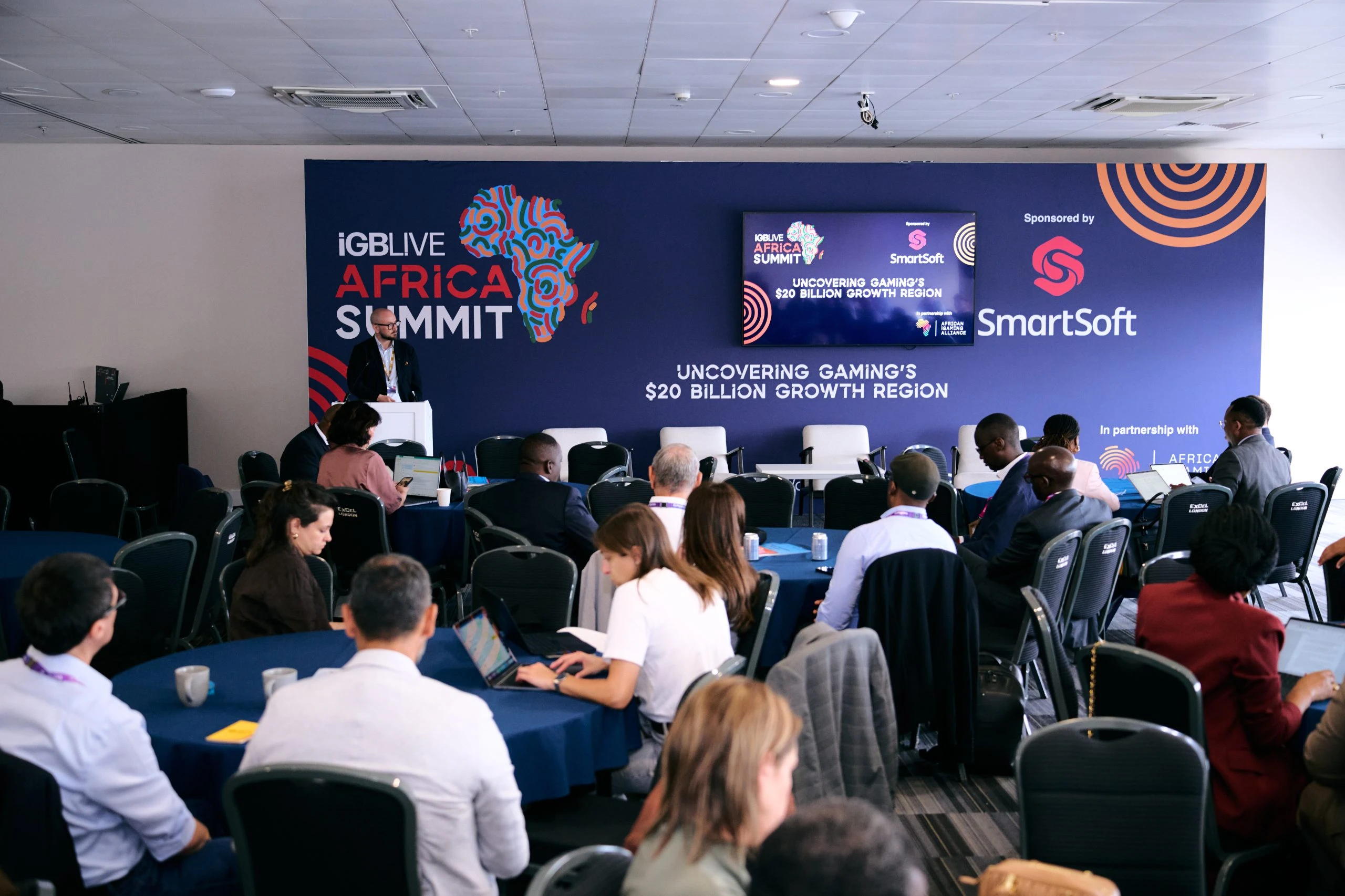
Panel discussions ranged from the importance of localisation, collaboration among the sector and payments, as well as the future of sports betting and the fight against the illegal market.
Panel 1 – Towards Cooperative African Gaming Markets: Enabling Growth through Best Practice
The first panel of the day, moderated by iGamingBusiness’ Global Content Director Robin Harrison, featured the South African National Gambling Board CEO Lungile Dukwana, Lagos State Lotteries and Gaming Authority CEO Bashir Are and Olabimpe Akingba, head of responsible gaming at pawaTech.
The discussion focused on regional harmonisation, regulatory cooperation and balanced taxation within Africa’s gaming sector.
Akingba emphasised that operators must stay flexible because “there’s really no one size fit all” across the continent.
The panellists advocated for collaborative regional networks on low-hanging fruit. Dukwana suggested the simplest route to harmonisation is “sharing the standards on the simpler issues like consumer protection.”
The speakers warned that overly aggressive fiscal policies are counterproductive, with Are pointing out: “When you have a regime in which the taxes are very high, the market will not survive.”
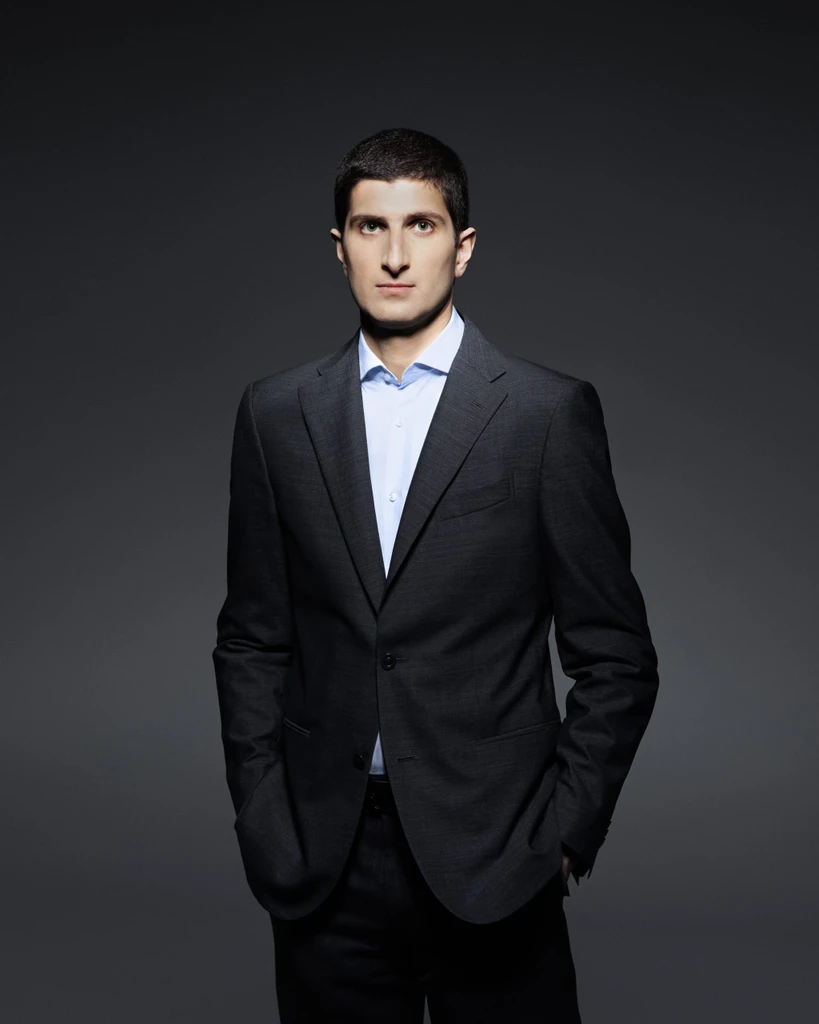
SmartSoft’s perspective – CEO Guga Gotsadze believes viewing Africa as a single market is the “biggest mistake” companies could make.
“Rather than building one regional strategy, we develop market specific approaches,” he told iGB. “Understanding those differences is what creates sustainable growth.”
Key quote – “Regulators, operators, we need to work together to ensure that the tax authorities, the legislative arm of government, are also knowledgeable about the industry to understand that there’s a level at which you can tax that could completely wipe out the industry.” — Olabimpe Akingba
Panel 2 – The Future of Taxation, Channelisation and Sustainable Market Growth
H2 Gambling Capital Managing Director Ed Birkin was joined by pawaTech CCO Dan Thomson and Dukwana to discuss the delicate balance between tax policy and channelisation.
Dukwana explained that local enforcement remains highly proactive, stating: “There is no illegal operator or offshore operator that should be comfortable in the South African space.”
Thomson, meanwhile, revealed that pawaTech had exited three African jurisdictions over the previous 18 months due to unviable tax rates.
“This is an industry that could grow for the next 20 years, where there’s a load of operators happy to pay significant levels of tax,” he said. “But if it’s squeeze, squeeze, squeeze, we are not NGOs, we are commercial entities. We are here to ultimately turn a profit.”
SmartSoft’s perspective – Gotsadze feels the key is transparent and balanced regulation that benefits everyone.
“It gives operators the confidence to invest, encourages responsible innovation and creates a healthier, more sustainable iGaming ecosystem where suppliers, operators, regulators and players all have aligned interests,” he said.
Key quote – “We want to make investments on a three-to-ten-year time horizon, and if we go, ‘well, I just can’t rely on the numbers for the next five years because everything could blow up’… frankly we’re just going to invest less there.” – Dan Thomson
Panel 3 – Localisation & Cultural Considerations of Adapting Global Products for Local Audiences
Next up was a discussion on how the industry should adapt to diverse African markets, led by Gaming Advisory Partners Co-Founder Lois Bright.
Bright was joined by Split the Pot CEO Christian Rajter, Virgin Bet’s South Africa General Manager Gail Odgers and Playtech’s Africa Managing Director Simon Munsamy.
Odgers emphasised the operational complexity of navigating multicultural demographics even within countries.
She said localisation comes “by starting and continually evolving your product based on your insights, continually updating your creative, your language, so it’s inclusive, and learning from that.”
In Rajter’s view, localisation comes from communicating with those in the market, saying: “You should listen to the players, should listen to the market, talk to the smart people that actually live there and actually will be consuming your product.”
While Munsamy said not everything needs to be localised, he advised companies to remain highly agile, warning against a one-size-fits-all strategy.
SmartSoft’s perspective – Gotsadze warned localisation should “never compromise product quality or identity”.
Gotsadze said: “Our objective is to preserve the core experience that players enjoy while making it feel more relevant to the local audience.”
Key quote – “Before you even soft launch, make sure that your product is fit for market, fit for purpose, and then get insights to deliver that valuable data so that you can develop and further localise your product.” – Gail Odgers
Panel 4 – Cracking African Payments: Mobile Money, KYC, AML and the Compliance Puzzle
The penultimate panel centred on payments and the transformative role of mobile money in African gambling.
The panel was chaired by Africa Gaming Expo CEO Charles Ekundayo, who was joined by Super Group’s Head of Regulatory Affairs and Licensing Anthony Prissman, Ugandan National Lotteries and Gaming Regulatory Board CEO Denis Mudene Ngabirano and Conor O’Donovan, Africa partner at Tekkorp Capital.
Prissman started by detailing how mobile money had “changed the dynamic of transactions” for Africa.
The trust that came with mobile money was key, with Prissman explaining: “If you’re not trusted, no one’s going to come and bet with you.”
However, O’Donovan highlighted some drawbacks with the rise of mobile money.
He noted while in certain markets it’s a cost-efficient payment channel, this isn’t always the case.
Ngabirano also shared that Uganda’s high gambling age threshold of 25 inadvertently pushed youth into the black market, prompting a shift toward risk-based KYC onboarding.
On the idea of pan-African KYC technology, Prissman said: “That idea is a long way away.”
SmartSoft’s perspective – Gotsadze pointed to digital payments becoming more accessible as a key reason behind Africa’s huge growth potential.
Key quote – “If you get your payments, your AML, your KYC right, you build a successful business, because ultimately you reduce friction.” – Anthony Prissman
Panel 5 – Sports Betting in Africa: Combining Local Passion with Product Innovation
To round out the summit, iGamingBusiness’ Emerging Markets Editor Kyle Goldsmith chaired a panel on the African sports betting landscape.
The panel featured Gaming Advisory Partners Co-Founder Martin Sack and William Scott, non-executive director at Ithuba Holdings.
Both panellists agreed that football was the main driver of sports betting growth in Africa.
The panellists also noted the importance of technology in Africa’s sports betting growth, with Sack saying: “I think it’s more about infrastructure. I think it’s more about the way payments have improved, the way infrastructure has improved, the way mobile adoption has improved. All of those things together provide growth in the sportsbook.”
Addressing sports sponsorship, Sack dismissed the notion it’s uniquely effective in Africa, labelling it an amplifier rather than a fix for structural flaws.
“If you have a bad product, you can’t put lipstick on a pig,” Sack said. “You have to back this with solid execution in your brand.”
SmartSoft’s perspective – Gotsadze echoed the importance of football in Africa, stating: “Football is unquestionably the dominant sport across most African markets.
“It is deeply embedded in everyday culture and naturally drives engagement across the entire gaming ecosystem.”
Key quote – “Sustainable engagement to me is not just about responsible gaming. For me, it’s really about creating long-term value for both the customer and the operator… building trust with fair products, CRM, fast payments and responsible gaming.” – Martin Sack
小组讨论涵盖的主题包括本地化的重要性、行业内部及支付领域的协作,以及体育博彩的未来和打击非法市场。
小组一——迈向合作的非洲博彩市场:通过最佳实践促进增长
当天首场小组讨论由iGamingBusiness全球内容总监Robin Harrison主持,嘉宾包括南非国家博彩委员会首席执行官Lungile Dukwana、拉各斯州彩票与博彩管理局首席执行官Bashir Are,以及pawaTech负责任博彩负责人Olabimpe Akingba。
讨论聚焦于非洲博彩业的区域协调、监管合作与均衡税收。
Akingba强调,运营商必须保持灵活性,因为在整个非洲大陆“真的没有放之四海而皆准的方案”。
小组成员主张就易于推进的事项建立协作性区域网络。Dukwana建议,实现协调的最简单途径是“在消费者保护等较简单的问题上共享标准”。
发言者警告称,过于激进的财政政策会适得其反,Are指出:“当税负非常高时,市场将无法生存。”
SmartSoft观点——首席执行官Guga Gotsadze认为,将非洲视为单一市场是企业可能犯下的“最大错误”。
“我们不是制定单一的区域战略,而是针对不同市场制定具体方案,”他告诉iGB。“理解这些差异才能创造可持续增长。”
关键引语——“监管机构、运营商,我们需要携手合作,确保税务机关和政府立法部门也了解这个行业,明白存在一个征税水平,超过它就可能彻底摧毁整个行业。”——Olabimpe Akingba
小组二——税收、渠道化与可持续市场增长的未来
H2 Gambling Capital董事总经理Ed Birkin与pawaTech首席商务官Dan Thomson及Dukwana共同探讨了税收政策与渠道化之间的微妙平衡。
Dukwana解释说,当地的执法仍然非常积极主动,他表示:“在南非境内,没有任何非法运营商或离岸运营商能够高枕无忧。”
与此同时,Thomson透露,由于税率不可行,pawaTech在过去18个月里退出了三个非洲司法管辖区。
“这是一个未来20年都可能持续增长的行业,许多运营商乐于缴纳高额税款,”他说。“但如果是压榨、压榨、再压榨,我们不是非政府组织,我们是商业实体。我们最终是要盈利的。”
SmartSoft观点——Gotsadze认为关键在于透明且平衡的监管,让各方受益。
“这能让运营商有信心投资,鼓励负责任的创新,并创造一个更健康、更可持续的iGaming生态系统,使供应商、运营商、监管机构和玩家利益一致,”他说。
关键引语——“我们希望在三到十年的时间跨度内进行投资,如果我们觉得‘好吧,我根本无法预测未来五年的数字,因为一切都可能崩盘’……坦率地说,我们只会减少在那里的投资。”——Dan Thomson
小组三——为本地受众调整全球产品的本地化与文化考量
接下来是由Gaming Advisory Partners联合创始人Lois Bright主持的讨论,主题是行业应如何适应多元化的非洲市场。
与Bright一同参与讨论的还有Split the Pot首席执行官Christian Rajter、Virgin Bet南非总经理Gail Odgers,以及Playtech非洲区董事总经理Simon Munsamy。
Odgers强调了即使在同一个国家内部,应对多元文化人口结构在运营上的复杂性。
她表示,本地化“始于并持续演进你的产品,基于你的洞察不断更新创意和语言,使其具有包容性,并从中学习”。
在Rajter看来,本地化来自与市场中的各方沟通,他说:“你应该倾听玩家,倾听市场,与真正生活在那里、真正会消费你产品的人交流。”
而Munsamy表示,并非所有东西都需要本地化,但他建议企业保持高度敏捷,并警告不要采用一刀切的战略。
SmartSoft观点——Gotsadze警告称,本地化“绝不能牺牲产品质量或品牌特性”。
Gotsadze说:“我们的目标是保留玩家喜爱的核心体验,同时让它对本地受众更具相关性。”
关键引语——“在你进行软启动之前,就要确保你的产品适合市场、符合目的,然后获取洞察以提供有价值的数据,从而开发和进一步本地化你的产品。”——Gail Odgers
小组四——破解非洲支付难题:移动货币、KYC、AML与合规困局
倒数第二场小组讨论聚焦于支付以及移动货币在非洲博彩中的变革性作用。
该小组由Africa Gaming Expo首席执行官Charles Ekundayo主持,嘉宾包括Super Group监管事务与许可负责人Anthony Prissman、乌干达国家彩票与博彩监管委员会首席执行官Denis Mudene Ngabirano,以及Tekkorp Capital非洲合伙人Conor O’Donovan。
Prissman首先详细阐述了移动货币如何“改变了非洲交易的动态”。
移动货币带来的信任至关重要,Prissman解释说:“如果你不被信任,没有人会来和你下注。”
然而,O’Donovan指出了移动货币兴起带来的一些弊端。
他指出,虽然在某些市场它是一种具有成本效益的支付渠道,但并非总是如此。
Ngabirano还分享说,乌干达25岁的高博彩年龄门槛无意中将年轻人推向了黑市,促使该国转向基于风险的KYC注册流程。
关于泛非KYC技术的设想,Prissman表示:“那个想法还很遥远。”
SmartSoft观点——Gotsadze指出,数字支付变得更加普及是非洲巨大增长潜力的关键原因之一。
关键引语——“如果你把支付、AML、KYC都做好了,你就能建立成功的事业,因为最终你减少了摩擦。”——Anthony Prissman
小组五——非洲体育博彩:将本地热情与产品创新相结合
作为峰会的收尾,iGamingBusiness新兴市场编辑Kyle Goldsmith主持了一场关于非洲体育博彩格局的小组讨论。
小组成员包括Gaming Advisory Partners联合创始人Martin Sack和Ithuba Holdings非执行董事William Scott。
两位小组成员一致认为,足球是非洲体育博彩增长的主要驱动力。
小组成员还指出了技术在非洲体育博彩增长中的重要性,Sack表示:“我认为这更多关乎基础设施。更多关乎支付方式的改善、基础设施的改善、移动设备普及率的提高。所有这些因素共同推动了体育博彩的增长。”
在谈到体育赞助时,Sack驳斥了其在非洲特别有效的说法,称其为放大器,而非解决结构性缺陷的良方。
“如果你的产品很糟糕,你无法给猪涂口红,”Sack说。“你必须以扎实的品牌执行力来支撑它。”
SmartSoft观点——Gotsadze认同足球在非洲的重要性,他表示:“足球无疑是大多数非洲市场的主导运动。
“它深深植根于日常文化中,自然推动了整个博彩生态系统的参与度。”
关键引语——“在我看来,可持续参与不仅仅关乎负责任博彩。对我而言,它真正关乎为客户和运营商创造长期价值……通过公平的产品、CRM、快速支付和负责任博彩来建立信任。”——Martin Sack