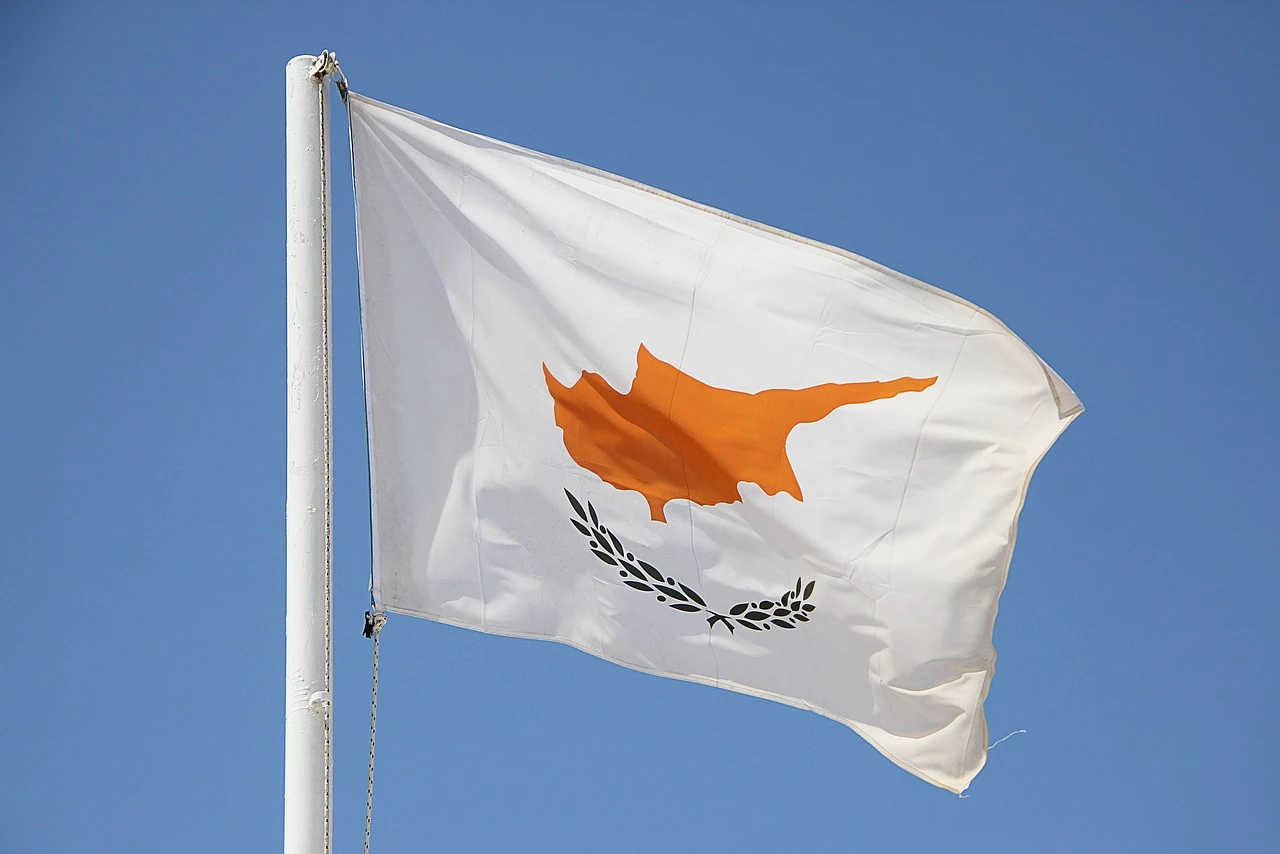
Lawmakers and regulators in Cyrpus have been debating methods to prevent recipients of the Guaranteed Minimum Income (GMI) from using state welfare payments for gambling.
The GMI, know locally as EEE, is described as a “residual payment to guarantee and legal minimum income for all residents”.
Anyone residing in Cyprus, with income not high enough to support their basic needs, is eligible for the benefit.
Cyprus is not the first market to consider whether to block its welfare recipients from using their benefits to gamble, Brazil introduced a similar ban in 2025.
Bank data scrutiny for GMI recipients
During a session of the House Audit Committee last Thursday, members of parliament (MPs), the Data Protection Commissioner and representatives from the Welfare Benefits Administration Service (WBAS), the Gaming & Casino Supervision Commission and the National Betting Authority (NBA) convened to discuss ways to identify and restrict gambling activity among GMI beneficiaries, as reported by Cyprus Mail.
While the intention is to protect vulnerable households and ensure welfare is spent on essential needs, proposed measures are being complicated by legal, technical and privacy obstacles.
Harris Tsangarides, executive director of the Gaming & Casino Supervision Commission, said his department had noticed spikes in gambling activity coinciding with GMI payment dates, prompting the regulator to consider “technical solution” to cross-reference GMI beneficiary lists with casino membership records.
An issue raised by Giannis Vasiliadis, director of WBAS, was the limited access to recipients’ banking information. This limited data can hint at suspicious activity but cannot conclusively verify gambling transactions.
Data Protection Commissioner Maria Christofidou said her office had reevaluated a 2022 legal opinion and now recognised a potential legal basis for more granular access to banking information.
Various MPs voiced concerns about the risk of privacy violations in accessing this data, and the potential social stigma around the information being shared.
Two-track plan to block GMI recipients
Christofidou also floated the idea of issuing GMI recipients with a special card for in-person verification at gambling venues, but several MPs warned this could stigmatise welfare recipients.
Current gambling legislation restricts participation for minors and those classified as “financially vulnerable”. However, GMI recipients are not yet formally classified as such for the purpose of these regulations.
The NBA has operated a online self-exclusion scheme since 2024. It requires users to register with a mobile number, email address and ID. Since around 80% of gambling in Cyprus happens online, this route offers a far easier way to identify and exclude claimants than monitoring anonymous betting at physical outlets.
塞浦路斯的立法者和监管机构一直在讨论如何防止保障最低收入(GMI)的领取者将国家福利金用于赌博。
GMI在当地被称为EEE,被描述为“为所有居民保障法定最低收入的剩余支付”。
任何居住在塞浦路斯、收入不足以支撑其基本需求的人都有资格领取该福利。
塞浦路斯并非首个考虑禁止福利领取者将福利金用于赌博的市场,巴西已于2025年出台了类似的禁令。
对GMI领取者银行数据的审查
据《塞浦路斯邮报》报道,在上周四举行的众议院审计委员会会议上,议员们、数据保护专员以及福利发放管理服务局(WBAS)、博彩与赌场监管委员会和全国博彩管理局(NBA)的代表齐聚一堂,讨论如何识别和限制GMI受益人的赌博活动。
尽管此举意在保护弱势家庭并确保福利金用于基本需求,但拟议措施因法律、技术和隐私方面的障碍而变得复杂。
博彩与赌场监管委员会执行主任Harris Tsangarides表示,其部门注意到赌博活动在GMI发放日期前后出现激增,促使监管机构考虑采用“技术解决方案”,将GMI受益人名单与赌场会员记录进行交叉比对。
WBAS主任Giannis Vasiliadis提出的一个问题是,对受益人银行信息的访问权限有限。这些有限的数据可以暗示可疑活动,但无法确凿核实赌博交易。
数据保护专员Maria Christofidou表示,其办公室已重新评估了2022年的一份法律意见,现在认为对银行信息进行更细粒度访问存在潜在法律依据。
多位议员对访问这些数据可能侵犯隐私以及信息共享可能带来的社会污名化风险表示担忧。
阻止GMI领取者赌博的双轨计划
Christofidou还提出了向GMI领取者发放特殊卡片、以便在赌博场所进行现场验证的想法,但多位议员警告称,这可能会使福利领取者蒙受污名。
现行博彩法规限制未成年人和被归类为“经济弱势”的人群参与。然而,就这些法规而言,GMI领取者尚未被正式归入此类。
NBA自2024年起实施了一项在线自我排除计划。该计划要求用户使用手机号码、电子邮件地址和身份证件进行注册。由于塞浦路斯约80%的赌博活动发生在线上,相比监控实体网点中的匿名投注,这一途径提供了一种更为便捷的识别和排除申领者的方式。