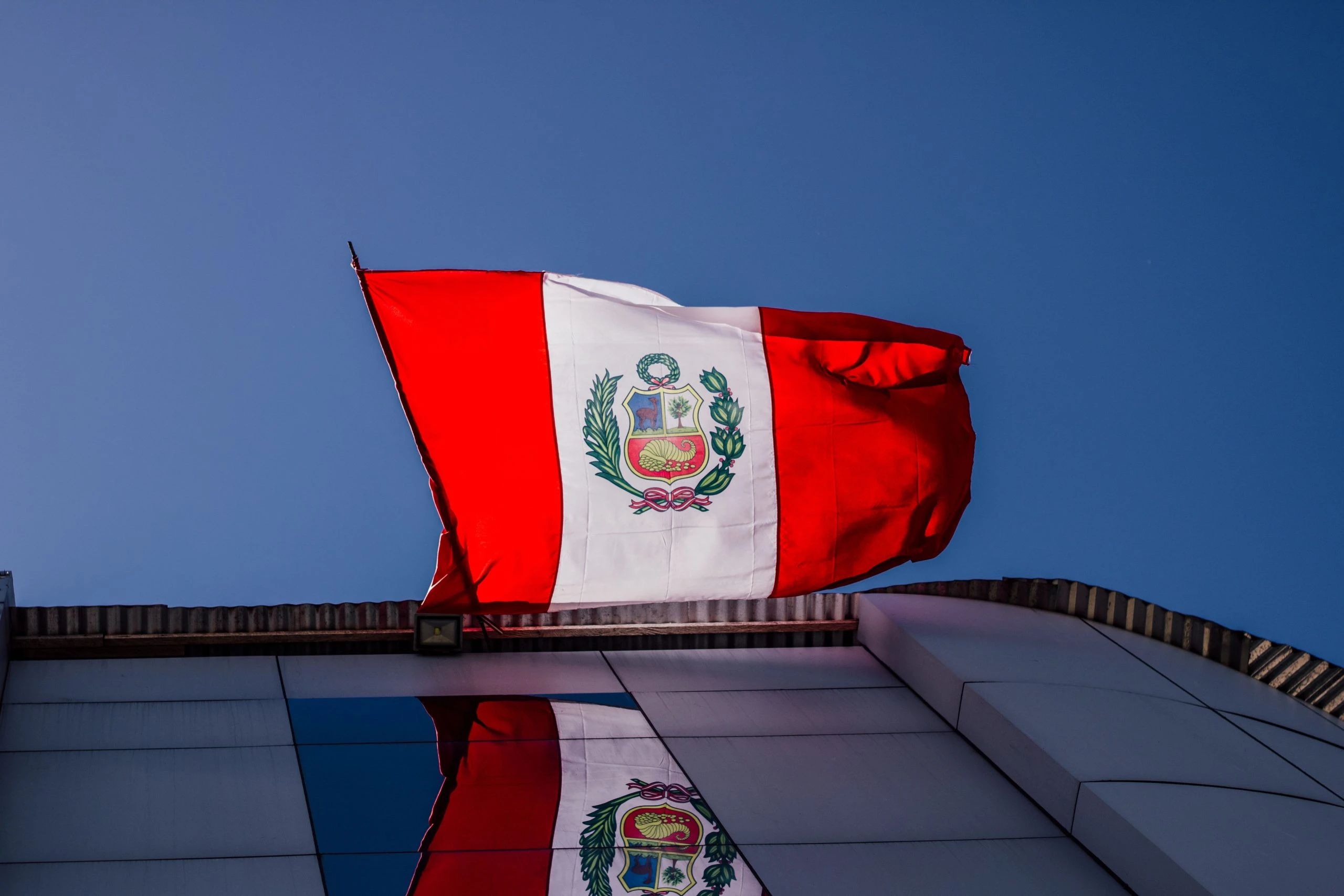
Peru’s regulated market went live in February 2024 and has since attracted a host of international operators, establishing a competitive market that includes legacy domestic operators such as market leader Apuesta Total.
According to Jennyfer Escobar, Stake’s Peru country manager, Peru is one of the most competitive in Latin America. “In the early stages, competition was largely driven by marketing investment, including advertising, sponsorships etc,” Escobar tells iGB. “Today, product quality, platform performance and the overall user experience are becoming much stronger differentiators.
“Players are more informed, have higher expectations and will switch brands if those expectations aren’t met.”
While Stake entered Peru in 2024, Betsson has been in the market since 2008, forming part of the market’s evolution both pre- and post-regulation. Andrea Rossi serves as the company’s commercial director in both Southern Europe and LatAm.
He views the Peruvian market as “quite polarised” with a few operators, including Betsson, dominating the market and the rest playing catch-up. “I think competition has already evolved,” he says. “We have seen fierce competition.
“We have been there for a long time and we have our positioning quite cemented. [But] we need to look at ourselves and keep improving, keep embracing the Peruvian culture and the way we fit in the market by applying a localised approach.”
Local vs international brands
As seen in many markets, especially in LatAm, local Peruvian brands and their cultural knowledge are facing competition from international operators that often bring bigger scale in terms of technology and capital.
For Ramiro Atucha, founder and CEO of Atucha Strategic Advisory, whether international operators can press home their scalable advantages will depend on how seriously they take localisation.
“When we talk about localisation, we’re not talking about the language or doing a game about Machu Picchu,” he tells iGB. “We’re talking about taking the effort to understand what the history of those players is, what they’re used to.
“I always found it funny when Colombia was starting, operators were saying ‘players here do not like slots’, as if they have a different DNA. Five years later, they would say, ‘well, they do like slots, but simple slots’. And five years later, they were playing all the usual [slots]. It’s not that they didn’t like slots.
“If someone takes the time to understand what they’re used to playing, what they like, what their history is and take that into consideration, then you can bridge that gap. If operators take that time to understand where players are at, it does make a difference.”
Strengthening technology
Local operators, meanwhile, have tried to close the gap by strengthening their technology, including working with world-class suppliers.
This can be difficult, however, as Atucha explains some larger platforms entering LatAm will only work with tier 1 operators, rather than helping smaller companies develop. “It’s challenging because first, whatever you would consider a tier 3 or a tier 2 or even a startup in an emerging market like Latin America can eventually become a tier 1 operator,” Atucha suggests.
“We’ve got lots of cases, EstrelaBet being one of them. They started from nothing and they grew a lot. And probably platform suppliers will have ignored them and regret that later on. You’ve got lots of cases like that.”
Betsson’s first-mover advantages
Atucha suggests global scale is only an advantage for international operators when it is executed with a local perspective. Having been in the Peruvian market since 2008, Betsson boasts considerably more local experience than a newer international entrant. “We have seen it all,” Rossi says.
Rossi argues that there is no single ingredient behind the operator’s success in Peru. Betsson has made Peru a key growth market in LatAm, which for the first time in Q2 took over as its largest region by revenue, accounting for 36% of its Q2 revenue at €310.2 million.
“I always like to say that it’s a mix of different factors,” Rossi suggests. “As a matter of fact, Peru has always been one of our driving markets in LatAm, and you always have the attention from the business to be kept on a quite substantial level of investment.
“But that is not just marketing. It also goes into product and into the way that you develop your offering and how you localise what you present or you offer to your customers. And without leaving out local talent, because of course the success also comes from the level of understanding of the market and the cultural embracement and to understand what the customers are really looking into when they have to choose between operators.
“Peru is our legacy. It’s one of our four markets here, so it plays a pivotal role in our ways of operating. Of course, we put a lot of focus into making Peru the market where we put attention and we are really careful about developing in terms of product, and also operationally.”
Stake’s localised approach
Like Betsson, Stake is trying to combine its global scale with a deep understanding of local markets in LatAm. It now holds local LatAm licences in Colombia, Brazil, Peru and Mexico, as well as the Province of Buenos Aires in Argentina.
Having received its licence in Peru in August 2024, Escobar argues Stake’s global scale delivers an advantage only when it is paired with a deep understanding of the Peruvian market and its players.
“We benefit from world-class technology, a market-leading product and one of the strongest brands in the industry, but success isn’t achieved simply by bringing a global platform into a new market,” Escobar says. “We’ve invested heavily in understanding Peruvian players, building local partnerships, working with creators, supporting football and tailoring our marketing and customer experience to local preferences.
“That balance between global capability and local relevance has allowed us to establish a strong position in one of Latin America’s most competitive markets.”
Regulatory foundations
That strong foundation in Peru lies in a regulatory framework deemed to be among the most comprehensive in LatAm.
“The rollout of the regulation was super positive,” Rossi says. “I believe that the Peruvian regulation is one of the best regulations in Latin America. [It’s] flexible, modern, business-friendly. The regulator has demonstrated a commitment to creating a safe and transparent market environment, and there’s a great relationship between the regulator and the operators.”
Escobar sees Peru’s relatively nascent regulated market as an increasingly attractive proposition for operators, pointing to strong player engagement and digital adoption.
“Considering that the regulated market has only been in place for just over two years, its implementation has been very positive,” she declares.
“Looking back over the past two years, the regulation has achieved its primary objective: creating a safer and more transparent market. It has established common standards for all licensed operators, particularly around KYC, AML and responsible gaming, ensuring that customers receive a more consistent experience regardless of the platform they choose.”
ISC threatens market stability
Atucha praises the regulation and the regulators themselves for making entry into the market easy, as well as allowing them to be competitive against illegal operators. But the market hasn’t been without its challenges.
A 1% selective consumption tax (ISC) on the value of every online bet has been in force since 1 July 2025, after the original policy was scrapped from proposed regulations in July 2021.
Atucha warns that regulations are often perceived as operator-friendly at the start before governments begin looking to squeeze licensed sectors, likening the process to “boiling a frog”. He has observed similar scenarios in other LatAm markets, with tax increases occurring in Brazil, Colombia and Mexico in the last couple of years.
Rossi believes the ISC in Peru is an example of a government implementing new taxes without truly understanding how the industry works, and the potential impacts on channelisation to licensed offerings.
“Peru has been quite successful in channelling customers into the regulated framework,” Rossi comments. “The risk is that this channelisation can decrease in favour of the black market. We know the black market won’t have any consumption tax.
“There should be, in my opinion, a review of the whole ISC or consumption tax framework and find a kind of alignment or a better way to get an income in terms of taxes, but that should be balanced in order to avoid the disruption of businesses and a migration of customers to the illegal market.”
The tipping point
Atucha warns there is a tipping point where higher taxes can undermine channelisation, citing the UK and Germany as important case studies.
“I sometimes wish regulators would look at other cases,” he adds. “I mean, what happened in Germany, what’s happening in the UK.”
This risk is particularly apparent when many offshore operators are established brands rather than unknown entities.
“It’s not a dark alley,” he continues. “It’s a large operator that’s regulated in other places, so it’s not the risk for the player that sometimes is implied.”
The next phase of the race
With the central challenge of tax to compete with, operators face a test of whether they can maintain growth while remaining competitive in an increasingly fierce market.
Escobar expects the competitive landscape to evolve as the market settles, with operators facing a different set of priorities from those that defined Peru’s initial regulatory rollout.
“I don’t believe Peru has reached maturity yet, but I do believe it is entering its next stage of development,”...
秘鲁的受监管市场于2024年2月上线,此后吸引了众多国际运营商,建立起一个竞争激烈的市场,其中包括市场领导者Apuesta Total等本土传统运营商。
据Stake秘鲁国家经理Jennyfer Escobar称,秘鲁是拉丁美洲竞争最激烈的市场之一。“在早期阶段,竞争主要由营销投入驱动,包括广告、赞助等,”Escobar对iGB表示。“如今,产品质量、平台性能和整体用户体验正成为更强大的差异化因素。
“玩家更加见多识广,期望值更高,如果这些期望得不到满足,他们会更换品牌。”
虽然Stake于2024年进入秘鲁,但Betsson自2008年起就已在该市场运营,在监管前后都参与了市场的演变。Andrea Rossi担任该公司南欧和拉美地区的商务总监。
他认为秘鲁市场“相当两极分化”,包括Betsson在内的少数运营商主导市场,其余运营商则在奋力追赶。“我认为竞争已经发生了演变,”他说。“我们见证了激烈的竞争。
“我们在这个市场深耕已久,定位相当稳固。[但]我们需要审视自身,不断改进,继续拥抱秘鲁文化,通过采取本地化策略来融入市场。”
本土品牌与国际品牌
正如在许多市场尤其是拉美市场所见,秘鲁本土品牌及其文化认知正面临国际运营商的竞争,后者往往在技术和资本方面具有更大的规模优势。
对于Atucha Strategic Advisory创始人兼首席执行官Ramiro Atucha而言,国际运营商能否充分发挥其可扩展优势,取决于他们对本地化的重视程度。
“当我们谈论本地化时,我们不是在谈论语言或做一款关于马丘比丘的游戏,”他对iGB表示。“我们说的是花功夫去了解这些玩家的历史背景是什么,他们习惯什么。
“我一直觉得有趣的是,哥伦比亚市场刚起步时,运营商说‘这里的玩家不喜欢老虎机’,好像他们有不同的DNA。五年后,他们会说,‘好吧,他们确实喜欢老虎机,但喜欢简单的老虎机’。又过了五年,他们在玩所有常见的老虎机。并不是他们不喜欢老虎机。
“如果有人花时间去了解他们习惯玩什么、喜欢什么、他们的历史是什么,并将其纳入考量,那么你就能弥合这一差距。如果运营商花时间去了解玩家所处的阶段,确实会有所不同。”
强化技术
与此同时,本土运营商试图通过强化技术来缩小差距,包括与世界级供应商合作。
然而,正如Atucha所解释的,这可能很困难,因为一些进入拉美的大型平台只与一级运营商合作,而不愿帮助较小的公司发展。“这很有挑战性,因为首先,在拉丁美洲这样的新兴市场中,任何你认为是三级、二级甚至初创企业的公司,最终都可能成为一级运营商,”Atucha表示。
“我们有很多这样的案例,EstrelaBet就是其中之一。他们从零开始,发展迅速。平台供应商很可能曾经忽视了他们,后来会为此感到后悔。这样的案例有很多。”
Betsson的先发优势
Atucha认为,全球规模只有在以本地视角执行时,才是国际运营商的优势。Betsson自2008年起就进入秘鲁市场,拥有比新进入的国际运营商丰富得多的本地经验。“我们什么都见过,”Rossi说。
Rossi认为,该运营商在秘鲁的成功并非源于单一因素。Betsson将秘鲁打造为拉美地区的关键增长市场,该地区在第二季度首次成为其收入最大的区域,占其第二季度收入的36%,达到3.102亿欧元。
“我一直喜欢说这是多种因素的结合,”Rossi表示。“事实上,秘鲁一直是我们拉美地区的主要市场之一,业务层面始终给予关注,保持相当可观的投资水平。
“但这不仅仅是营销。它还涉及产品,涉及你如何开发你的产品,以及如何将你呈现或提供给客户的内容本地化。同时也不能忽视本地人才,因为成功当然也来自于对市场的了解程度、对文化的拥抱,以及理解客户在选择运营商时真正看重什么。
“秘鲁是我们的传承。它是我们在这里的四个市场之一,在我们的运营方式中扮演着关键角色。当然,我们投入了大量精力让秘鲁成为我们重点关注的市场,在产品开发和运营方面都非常用心。”
Stake的本地化策略
与Betsson一样,Stake正试图将其全球规模与对拉美本地市场的深入了解相结合。它目前持有拉美地区的本地牌照,包括哥伦比亚、巴西、秘鲁和墨西哥,以及阿根廷布宜诺斯艾利斯省。
Stake于2024年8月在秘鲁获得牌照,Escobar认为,Stake的全球规模只有在与对秘鲁市场及其玩家的深入了解相结合时,才能带来优势。
“我们受益于世界级的技术、市场领先的产品和业内最强大的品牌之一,但成功并非仅仅通过将全球平台引入新市场就能实现,”Escobar说。“我们在了解秘鲁玩家方面投入了大量资源,建立本地合作伙伴关系,与创作者合作,支持足球事业,并根据本地偏好定制我们的营销和客户体验。
“全球能力与本地相关性之间的平衡,使我们能够在拉丁美洲竞争最激烈的市场之一中建立强势地位。”
监管基础
秘鲁的这一坚实基础源于被认为拉美最全面的监管框架之一。
“监管的推出非常积极,”Rossi说。“我相信秘鲁的监管是拉丁美洲最好的监管之一。[它]灵活、现代、有利于商业。监管机构展现了创建安全和透明市场环境的承诺,监管机构与运营商之间的关系也非常好。”
Escobar认为秘鲁相对年轻的受监管市场对运营商越来越有吸引力,并指出玩家参与度和数字采用率都很高。
“考虑到受监管市场才实施了两年多,其执行情况非常积极,”她表示。
“回顾过去两年,监管实现了其主要目标:创建一个更安全、更透明的市场。它为所有持牌运营商建立了共同标准,特别是在KYC、反洗钱和负责任博彩方面,确保客户无论选择哪个平台都能获得更一致的体验。”
ISC威胁市场稳定
Atucha赞扬了监管法规和监管机构本身,认为它们使市场进入变得容易,并让运营商能够与非法运营商竞争。但市场并非没有挑战。
对每笔在线投注价值征收的1%选择性消费税(ISC)自2025年7月1日起生效,此前该政策最初于2021年7月从拟议法规中被删除。
Atucha警告称,监管在初期往往被视为对运营商友好,之后政府开始寻求从持牌行业榨取更多收入,他将这一过程比作“温水煮青蛙”。他在其他拉美市场也观察到了类似情况,过去几年巴西、哥伦比亚和墨西哥都出现了增税。
Rossi认为秘鲁的ISC是政府在没有真正理解行业运作方式的情况下实施新税的一个例子,也没有考虑到对持牌产品渠道化可能产生的影响。
“秘鲁在将客户引导至受监管框架方面相当成功,”Rossi评论道。“风险在于这种渠道化可能会减少,转而流向黑市。我们知道黑市不会有任何消费税。
“在我看来,应该对整个ISC或消费税框架进行审查,找到一种协调或更好的方式来获取税收收入,但这应该保持平衡,以避免业务中断和客户向非法市场迁移。”
临界点
Atucha警告称,存在一个临界点,更高的税收可能会削弱渠道化,并援引英国和德国作为重要案例研究。
“我有时希望监管机构能看看其他案例,”他补充道。“我是说,德国发生了什么,英国正在发生什么。”
当许多离岸运营商是知名品牌而非不知名实体时,这种风险尤为明显。
“这不是一条黑暗的小巷,”他继续说道。“这是一家在其他地方受监管的大型运营商,所以并不像有时暗示的那样对玩家构成风险。”
竞赛的下一阶段
在税收这一核心挑战需要应对的情况下,运营商面临着一个考验:能否在日益激烈的市场中保持增长的同时维持竞争力。
Escobar预计,随着市场趋于稳定,竞争格局将发生演变,运营商面临的优先事项将与定义秘鲁初始监管推出阶段时有所不同。
“我认为秘鲁尚未达到成熟阶段,但我确实相信它正在进入下一发展阶段,”……