Picture the customer every sportsbook signed up this summer. They came for the World Cup, often as a first-time depositor. They bet on the group games, followed the bracket, enjoyed it. Then the final came and went, and now they open the app to a board that has moved on: other sports mid-season, competitions they’ve never followed, formats they’d need to learn. The tournament that brought them in has ended, and the version of betting they enjoyed appears to have ended with it.
What that customer does next is the most valuable open question in the operator’s quarter. With total wagers on this World Cup forecast to pass $50 billion, according to figures reported by Reuters, up from $35 billion in Qatar 2022, the wave of new customers is the largest the industry has seen. Each one arrived with an acquisition cost attached, through bonuses, boosted odds, media and affiliate spend, and each one only becomes profitable if they keep betting past the point where their activity covers it.
What the research says they do next
The most recent hard look at post-tournament behaviour comes from the UK Gambling Commission, which followed World Cup bettors for three months after the 2022 final. The findings are four years old now, but they’re the closest thing operators have to a preview of the months ahead.
Among the newcomers, the roughly 100 respondents who hadn’t bet on football in the year before the tournament, seven in 10 were still betting three months later. Fewer than half of those stayed with sports. The rest had moved to other gambling products.
‘The appetite these customers arrive with outlasts the tournament. It goes looking for a fit and it settles wherever it finds one’
The full panel, mostly established bettors, showed the same shape. Football spend fell significantly after the final, yet overall betting participation held steady and even rose slightly. And this was with league football available the whole time: the 2022 final fell mid-season, with the big European leagues back within days and running throughout the period the study covered. A full schedule was on every board. The tournament crowd, by and large, wanted something else.
What that means for retention
Read together, the two findings give operators an unusually clear brief. The appetite these customers arrive with outlasts the tournament. It goes looking for a fit, and it settles wherever it finds one, on the book that acquired them or somewhere else entirely. Every customer kept past the payback point is close to pure margin, which is what makes this group worth designing for.
Retention here is a content question before it is a CRM one. Reactivation emails and free bets do their job when there’s something behind them the customer recognises; the research suggests what was behind them, for most books, was a board built for a different fan.
The brief: Familiar, fast and always on
What fits a customer who knows football, enjoys quick occasions and has no interest in learning new stats and form? Content that keeps the sport and drops the schedule.
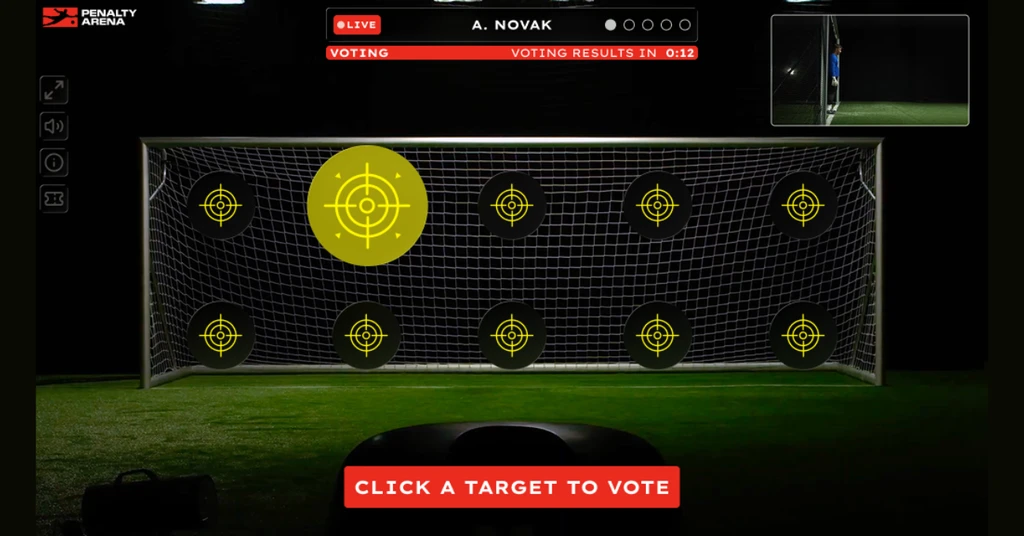
The sharpest example is the penalty kick. Oddin.gg’s Penalty Arena takes football’s most exciting moment and runs it as a continuous market: one kick after another, each settled in 90 seconds rather than 90 minutes. The bettor votes on the direction of the kick, backs an outcome and has a result before their attention moves anywhere. There’s no fixture list, no form guide and essentially nothing to learn, which for this customer is the entire point.
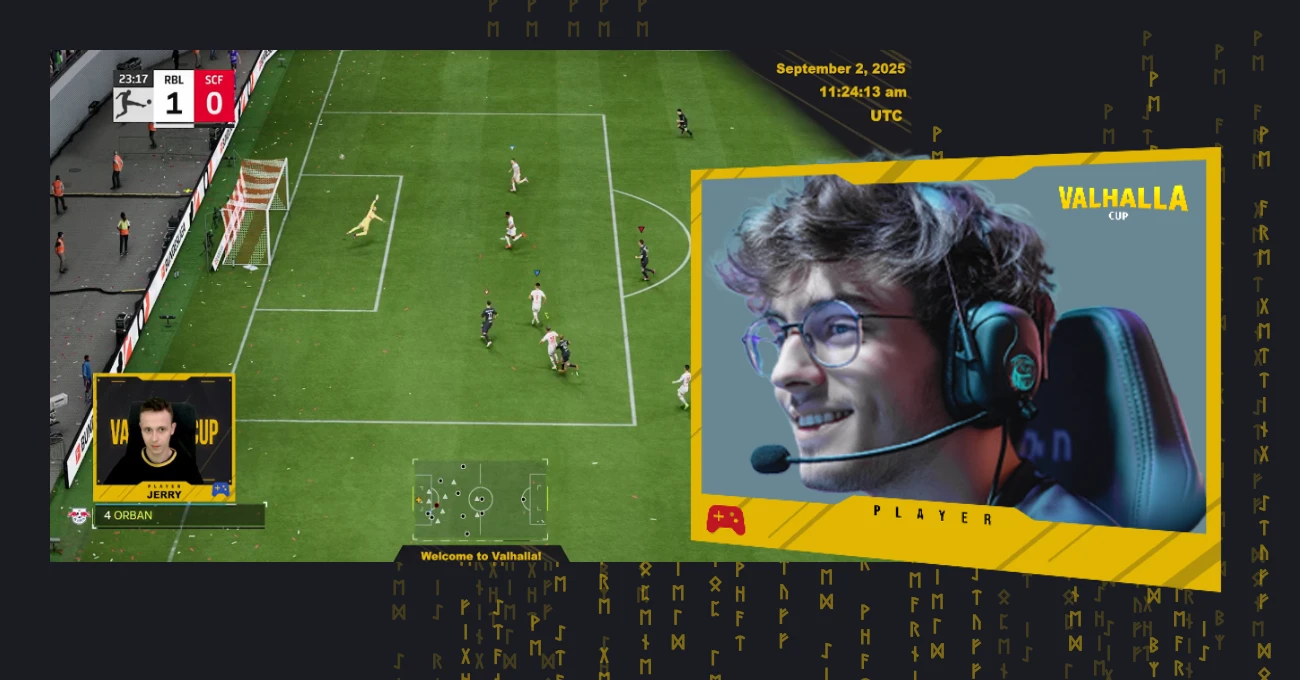
For the fan who wants a fuller match, Oddin.gg’s eFootball runs fast electronically simulated games – player versus player or against bots – with new matches starting every few minutes, around the clock. It sits inside the company’s wider eSims range, which applies the same idea to other sports: eBasketball, eCricket and eTouchdown, each with the same rules and markets as the real sport, available even when the traditional sports calendar goes quiet. The layer that catches a football fan after a World Cup also covers every other sport’s pauses through the year.
The calendar that runs itself
Esports extends the offering further, and it works to its own clock. Dozens of titles run their own seasons, tournaments and tiers, with the Esports World Cup alone staging 25 tournaments across 24 titles in a single seven-week window, so something is always live. Where the schedule thins, studio formats like Oddin.gg’s Counter-Strike 2 Duels and Dota 2 Duels keep constant markets running. For the operator, that steadies the whole book: revenue stops swinging with any single sport’s schedule.
‘The esports audience skews Millennial and Gen Z, with minimal overlap on the traditional sports base’
It also brings its own crowd. The esports audience skews Millennial and Gen Z, with minimal overlap on the traditional sports base, so it broadens where an operator’s revenue comes from as well as when. These bettors arrive on their own calendar and stay on it; a football tournament ending changes nothing for them.
The quarter after the tournament
Every sportsbook took the same wave this summer. If the 2022 research is any guide, most of that wave keeps betting, and where it lands is decided by what each book offers next.
Operators who give the tournament crowd content shaped like the thing they came for – familiar, fast to settle and available year-round – turn a record acquisition quarter into revenue that lasts well past it. Oddin.gg builds that layer, from fast-bet formats to full esports markets, with the uptime to keep it live when it counts. See how it works at oddin.gg.
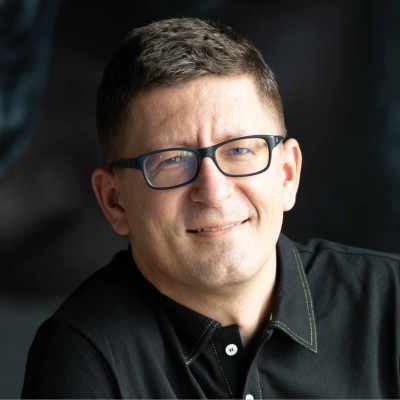
Marek Suchar, group head of strategic transition, Oddin.gg
想象一下今年夏天每家体育博彩公司都注册的那位客户。他们为世界杯而来,往往是首次存款者。他们投注小组赛,关注淘汰赛对阵,乐在其中。然后决赛来了又走了,如今他们打开应用,看到的却是一个已经翻篇的盘口:其他运动正处于赛季中,是他们从未关注过的赛事,是需要重新学习的赛制。吸引他们进来的那项赛事已经结束,而他们所享受的那种投注方式似乎也随之终结。
这位客户接下来会做什么,是运营商本季度最有价值的未解之谜。据路透社报道的数据,本届世界杯的总投注额预计将突破500亿美元,高于2022年卡塔尔的350亿美元,这波新客户浪潮是该行业见过的最大规模。每一位客户的到来都附带着获取成本,通过奖金、提升赔率、媒体和联盟营销支出,而只有当他们的持续投注超过这一成本点时,每一位客户才开始盈利。
研究显示他们接下来会做什么
关于赛事后行为的最新深入研究来自英国博彩委员会,该机构在2022年决赛后对世界杯投注者进行了为期三个月的跟踪调查。这些发现距今已有四年,但它们是运营商对接下来几个月最接近的预演。
在新客户中,即约100名在赛事前一年未投注过足球的受访者,有七成在三个月后仍在投注。其中不到一半的人留在体育项目上。其余的人已转向其他博彩产品。
‘这些客户到来时所怀有的欲望比赛事本身更持久。它会去寻找契合之处,并在找到的地方安顿下来’
整个受访群体,主要是资深投注者,也呈现出相同的形态。决赛后足球支出显著下降,但整体投注参与度保持稳定,甚至略有上升。而这一切还是在联赛足球全程可投注的情况下发生的:2022年决赛恰逢赛季中期,欧洲各大联赛在几天内就恢复,并在研究覆盖的整个期间持续进行。每个盘口上都有完整的赛程。而赛事带来的人群,大体上想要的是别的东西。
这对留存意味着什么
将这两项发现结合起来看,运营商获得了一份异常清晰的简报。这些客户到来时所怀有的欲望比赛事本身更持久。它会去寻找契合之处,并在找到的地方安顿下来,无论是在获取他们的平台上还是完全在别处。每一位留存超过回本点的客户几乎都是纯利润,这正是这个群体值得为之设计的原因。
这里的留存首先是一个内容问题,其次才是CRM问题。唤醒邮件和免费投注在背后有客户认可的东西支撑时才能发挥作用;研究表明,对大多数平台而言,背后支撑的是一个为不同粉丝群体打造的盘口。
简报:熟悉、快速、全天候
什么适合一位懂足球、喜欢快速刺激、对学习新数据和状态毫无兴趣的客户?那就是保留这项运动、去掉赛程的内容。
最鲜明的例子是点球。Oddin.gg的Penalty Arena将足球最激动人心的时刻作为持续市场来运营:一脚接一脚的点球,每笔在90秒内结算,而非90分钟。投注者预测射门方向,押注一个结果,在注意力转移之前就已得到结果。没有赛程表,没有状态指南,基本上没有什么需要学习的,而这对这位客户来说正是关键所在。
对于想要更完整比赛的粉丝,Oddin.gg的eFootball运营快速电子模拟比赛——玩家对玩家或对战机器人——每隔几分钟就有新比赛开始,全天候不间断。它属于该公司更广泛的eSims系列,该系列将同样的理念应用于其他运动:eBasketball、eCricket和eTouchdown,每项都拥有与真实运动相同的规则和市场,即使在传统体育赛程沉寂时也可用。这个在世界杯后接住足球粉丝的层次,也覆盖了一年中的其他所有运动间歇期。
自行运转的赛程
电子竞技进一步扩展了产品,并且按自己的时钟运转。数十款游戏运行着自己的赛季、锦标赛和层级,仅电子竞技世界杯就在一个七周的窗口内举办了横跨24款游戏的25项赛事,因此总有内容在直播。在赛程稀疏的地方,像Oddin.gg的Counter-Strike 2 Duels和Dota 2 Duels这样的演播室赛制保持持续市场运转。对运营商而言,这稳定了整个盘口:收入不再随任何单一运动的赛程而波动。
‘电子竞技受众偏向千禧一代和Z世代,与传统体育基础的重叠极小’
它还带来了自己的受众。电子竞技受众偏向千禧一代和Z世代,与传统体育基础的重叠极小,因此它既拓宽了运营商的收入来源,也拓宽了收入的时间分布。这些投注者按自己的日历到来并留在其中;一项足球赛事的结束对他们毫无影响。
赛事后的那个季度
今年夏天每家体育博彩公司都迎来了同样的浪潮。如果2022年的研究有任何指导意义,那么这波浪潮中的大多数人会继续投注,而他们落脚何处取决于每家平台接下来提供什么。
那些为赛事人群提供形似他们所追求之物——熟悉、快速结算、全年可用——的内容的运营商,将创纪录的获客季度转化为远超其后的持久收入。Oddin.gg构建了这一层次,从快速投注赛制到完整的电子竞技市场,并具备在关键时刻保持直播的正常运行时间。在oddin.gg了解其运作方式。
Marek Suchar,Oddin.gg战略转型集团负责人